 IK Norrköping Hub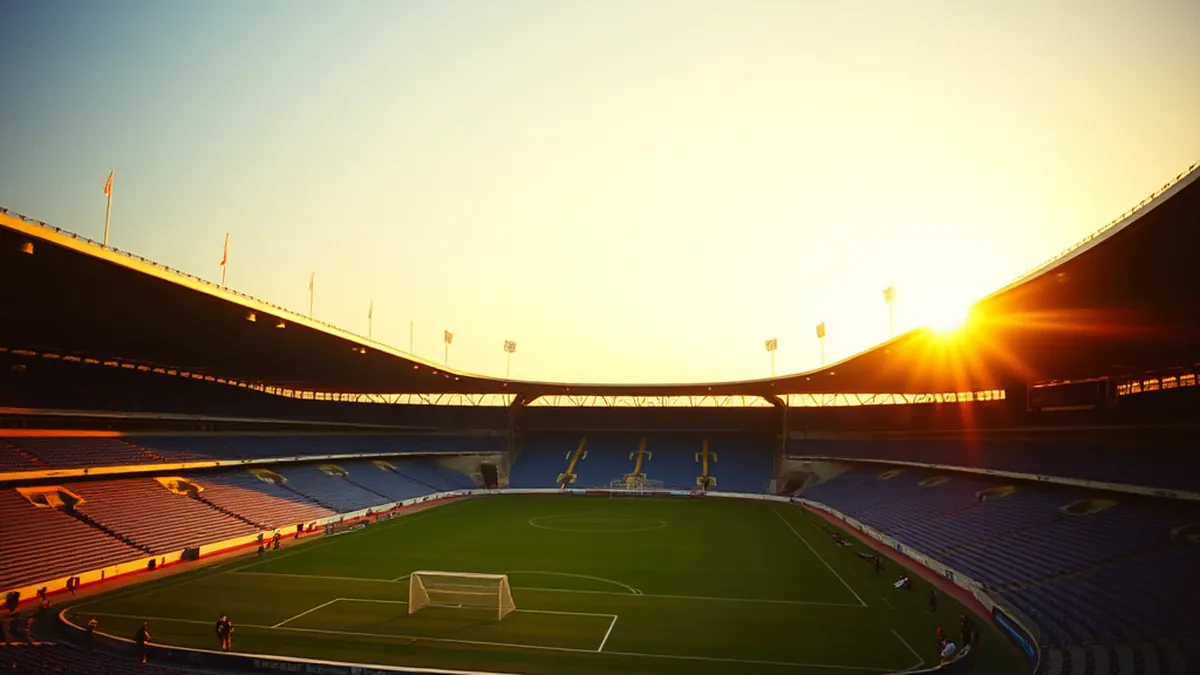
As we reflect on the rich history of IK Norrköping, one cannot overlook the profound impact of the 1980s on the club's trajectory. After a challenging period in the late 1970s, when Peking struggled to find its footing in Swedish football, the decade became a turning point, marked by resilience, strategic changes, and a remarkable resurgence in form.
The decade began with a sense of urgency as the club sought to reclaim its status among Sweden's football elite. Following relegation in 1978, Norrköping was determined to rise back up the ranks. The club invested in nurturing young talent and implemented a more dynamic playing style, laying the groundwork for future successes.
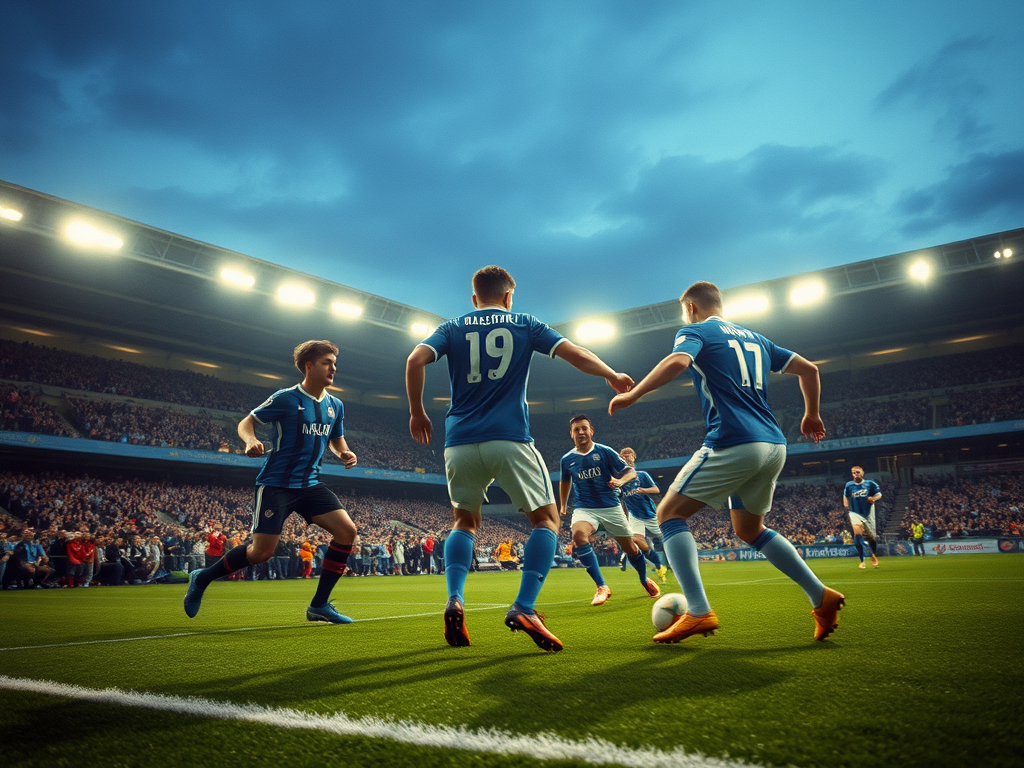
Key figures emerged during this period, not only on the pitch but in the management as well. The appointment of a new coaching staff brought fresh ideas and a renewed focus on discipline and teamwork. Players like Göran Marklund and Kent Karlsson became instrumental in establishing a winning mentality, serving both as skilled competitors and influential leaders on and off the pitch.
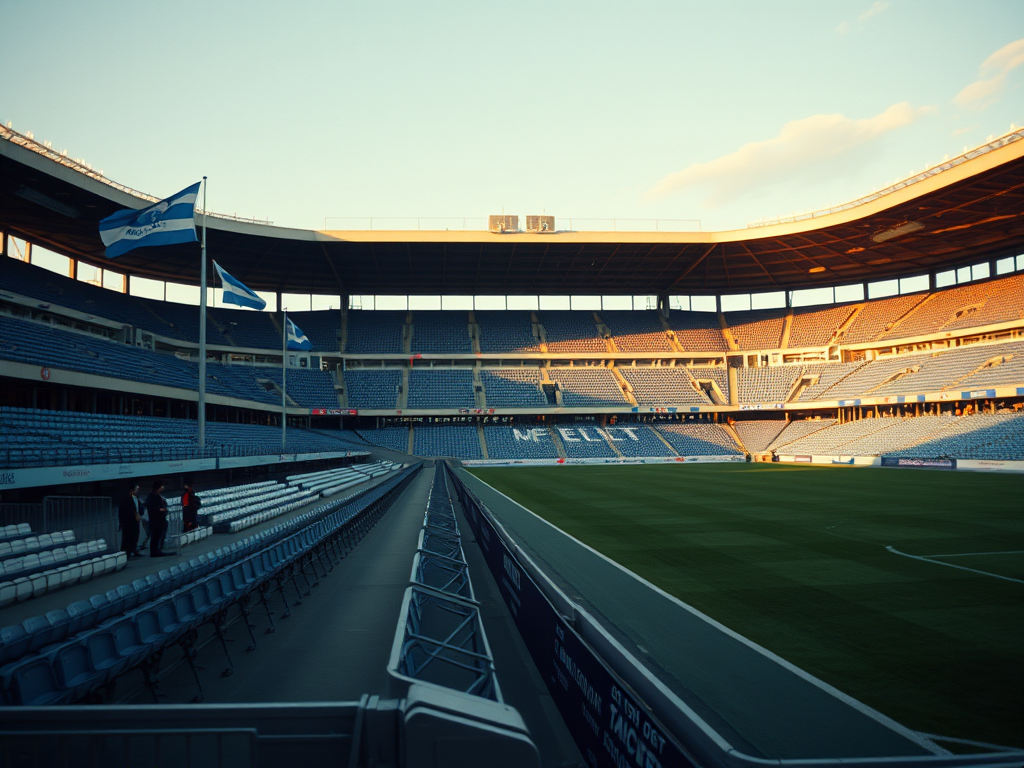
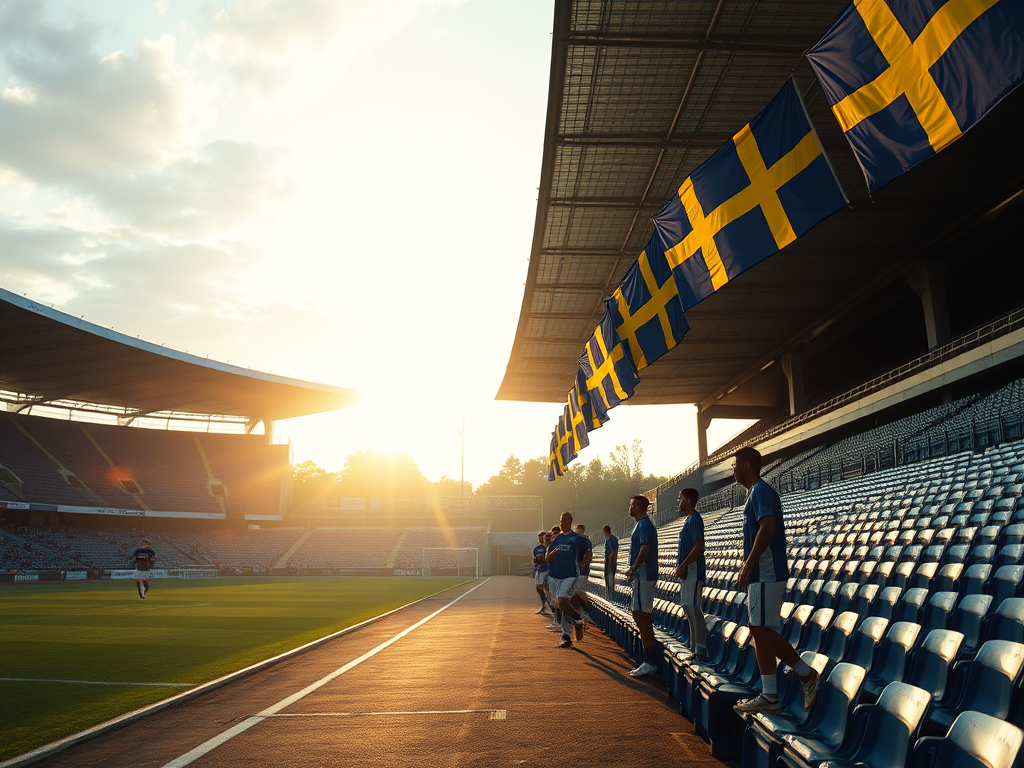
The pinnacle of this decade was undoubtedly the 1989 championship win. This victory was not just a testament to the hard work and dedication of the players but also a reward for the loyal supporters who stood by the club during its tumultuous times. The final match of the season witnessed a passionate display at the Stadium, with the stands filled with fans dressed in the iconic blue and white, echoing chants of support that resonated throughout the city of Norrköping.
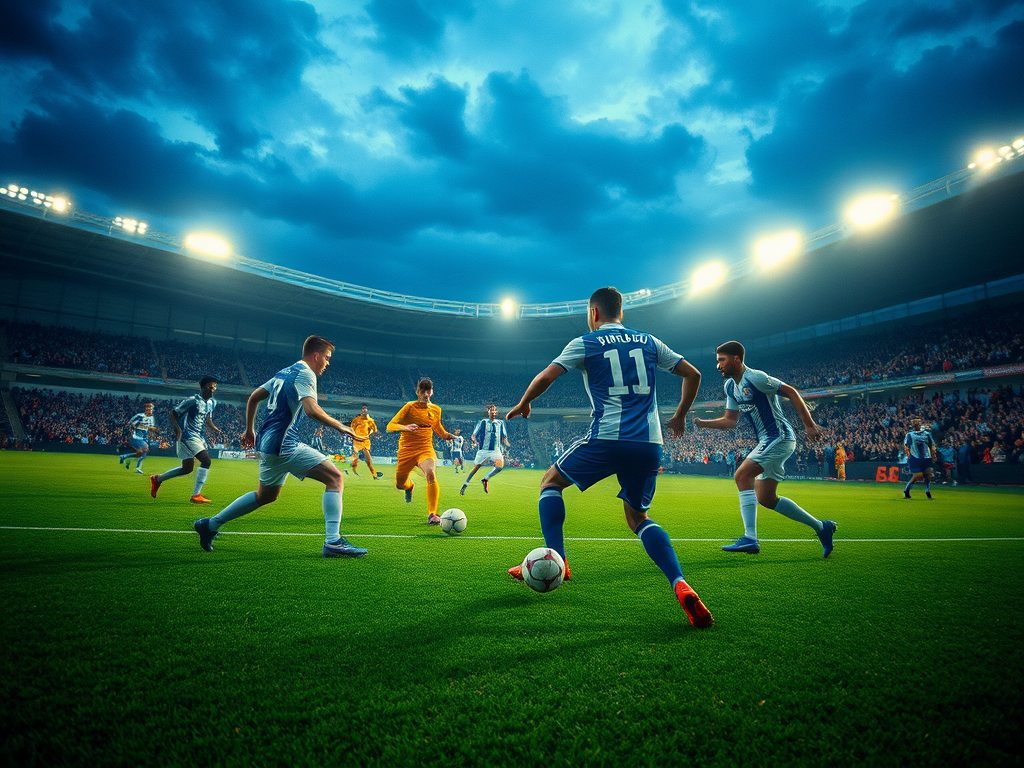
This championship not only secured the title but also reinvigorated the club's identity. The spirit of Peking was embodied in the way the team played—aggressive, passionate, and united. The success of 1989 inspired generations of young players and created a legacy that would influence the club’s philosophy and approach for years to come.
Beyond the trophies and accolades, the 1980s served as a reminder of the resilience of IK Norrköping. The club’s journey through adversity showcased the importance of community, teamwork, and an unwavering belief in one’s potential. As fans reflect on this era, they remember not only the matches won but the determination and heart displayed by their beloved Peking.
Ultimately, the 1980s were more than just a decade of football; they were a period of rebirth for IK Norrköping. The lessons learned and the bonds forged during this time continue to influence the club’s ethos and aspirations today, making it an integral chapter in the storied history of one of Sweden's most cherished football clubs.