 IK Norrköping Hub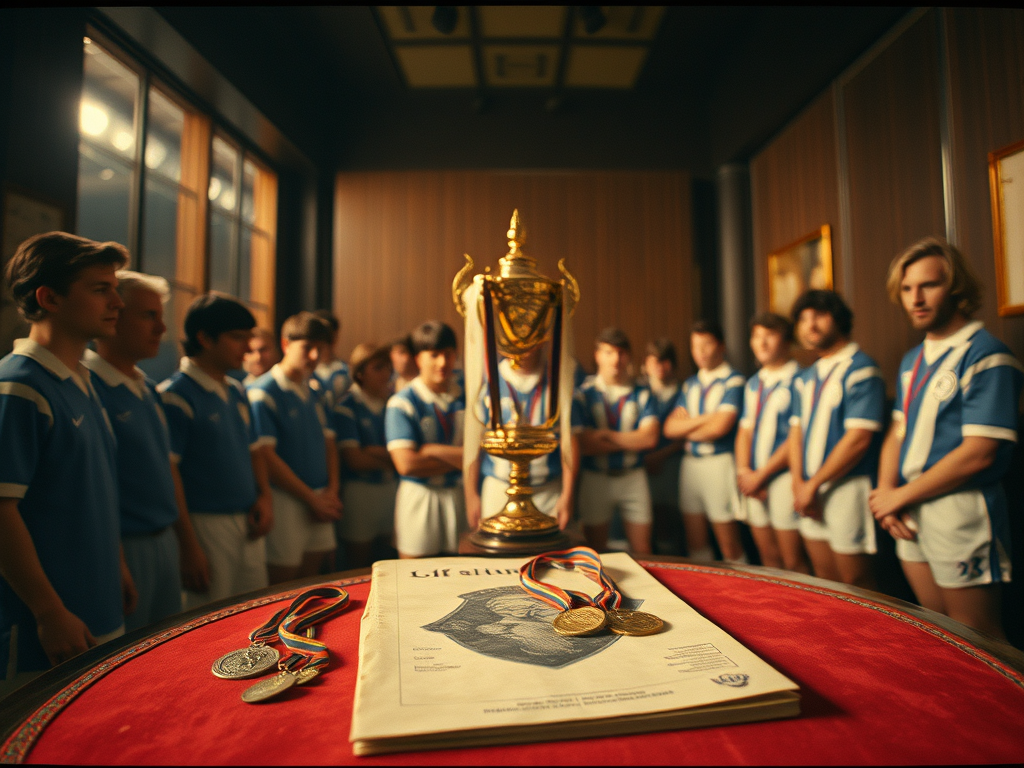
The 1970s: A Golden Era for IK Norrköping
The 1970s stand as a golden era in the storied history of IK Norrköping, a time when the club not only showcased remarkable talent but also redefined its tactical approach to the game. Known affectionately as Peking, the club had entered the decade on the back of a rich legacy, yet what unfolded over the next ten years was nothing short of transformative.
In 1971, under the management of the legendary Kurt Hamrin, Norrköping began to implement a more sophisticated style of play that combined elements of technical skill with strategic discipline. This shift was exemplified by the emergence of a new generation of players who brought flair and creativity to the pitch. The likes of Ove Kindvall and Börje Leanders became household names, captivating fans with their performances and helping to elevate the club's status in Swedish football.
The pinnacle of this era came in 1972 when IK Norrköping clinched the Allsvenskan title. It was a season marked by thrilling matches and a series of unforgettable moments, encapsulating the spirit and determination of the squad. The team's success was not merely a reflection of individual brilliance but a testament to the collective effort and innovative tactics that the coaching staff instilled in the players. The title win was celebrated not only as a triumph on the field but also as a rallying point for the supporters, further solidifying the bond between the club and its passionate fanbase.
However, the 1970s were not only about domestic glory. Norrköping made significant strides on the European stage as well. The club participated in the European Cup, showcasing its talents against some of the continent's best teams. Matches in the European arena are often remembered as moments of pride, where Peking held its own against formidable opponents, providing invaluable experience for the players and raising the club's profile beyond Sweden.
As the decade progressed, the tactical innovations introduced by Hamrin laid the groundwork for future success. The emphasis on youth development became a hallmark of IK Norrköping’s philosophy, as the club invested in its academy to cultivate homegrown talent. This focus on nurturing young players would pay dividends in the years to come, ensuring that the club remained competitive at the highest levels.
The impact of the 1970s is still felt today, as the values and principles established during this decade continue to resonate within the club's culture. The dedication to teamwork, tactical awareness, and the celebration of local talent have become core tenets of IK Norrköping's identity.
In retrospect, the 1970s were more than just a successful chapter in the club's history; they were a formative period that shaped the future of IK Norrköping. As fans look back on this era, it serves as a reminder of what can be achieved through unity, innovation, and an unwavering love for the beautiful game.